

Director Guy Weizman on HOPE
What happens when artists from different cultures and disciplines come together?
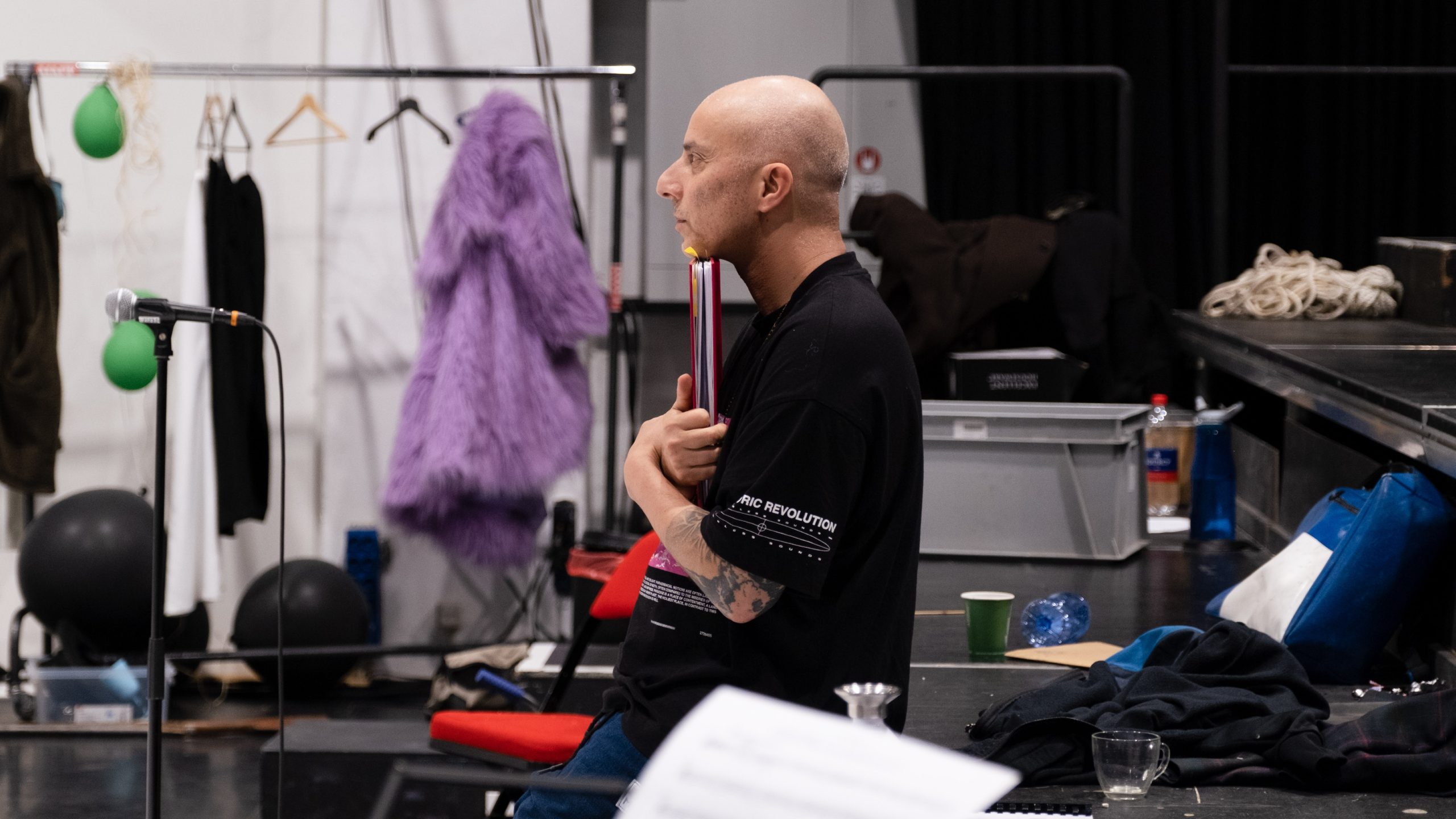
In the lead-up to rehearsals for HOPE (NITE & Thalia Theater Hamburg), director, theater maker, and choreographer Guy Weizman reflects on the magic of international collaboration—and the close bonds that develop as a result, both on and off stage.
Theater as a living exchange
Working with international artists has been one of the most inspiring and rewarding experiences of my life. Theater is much more than an art form. It is a living exchange, a place of shared creativity where ideas mix and connections are made.
When people from different cultures and disciplines come together, something magical happens. For example, a dialogue emerges between worlds. A new and unique form of expression is born. This proves, once again, the universal power of storytelling.
Building a common language
Every time I enter a rehearsal room with actors, dancers, musicians, designers, and writers from diverse backgrounds, I feel both excitement and challenge. We may not speak the same languages, share the same training, or start from the same artistic assumptions. At first, misunderstandings are normal.
However, over time, we build a common language. This is not only made of words, but also of movement, rhythm, and emotions. As a result, what first seemed like obstacles become opportunities for creativity and deeper understanding. Together, we step into a space that none of us could have reached alone.
Growth through challenge
This process constantly pushes me to question my own assumptions. I have to adapt, reorient, and learn. Therefore, I see it as incredibly valuable. These challenges help me grow — not only as an artist, but also as a human being.
Beyond the rehearsal room
But it is not only about the art. Through these collaborations, true and lasting friendships are formed. We have shared meals, laughter, and stories. We have welcomed each other into our cultures, far beyond the rehearsal space.
In fact, these relationships have broadened my view of the world. They remind me of why I first fell in love with the performing arts. When you create together, overcome challenges, and bridge cultural differences, you build a bond of trust — one that often lasts a lifetime.
Many languages, one curiosity
I am always drawn to many languages. That is why I enjoy mixing different artistic disciplines. Sometimes you have to step beyond your own frame of reference. This is especially true when collaborating across cultures.
If I do not speak your language or know your culture, how can I still connect with you? That question has guided me all my life. I speak five languages and understand seven. In addition, I am fluent in several artistic “languages.” Curiosity and the drive to communicate are, in my view, essential human tasks — and I give my very best to them.
What the audience feels
I am convinced that audiences can feel this energy and connection. Theater always mirrors society. Yet when artists from different countries and cultures work together, that mirror becomes richer and more complex.
For example, I have seen how performances push audiences to question their own perspectives and expand their understanding of the world. Theater reminds us that the most fundamental human emotions — love, loss, joy, longing — are universal. And in times when the world feels divided, art shows that we share much more than what separates us.
Looking ahead
The world is changing, and so is the way we tell stories. But wherever we come from, storytelling connects us.
That is why I look forward to continuing my collaboration with Sonja Anders and her team — to learn from each other and create work that shows what truly defines us as human beings.
HOPE will celebrate its world premiere on December 5 at Thalia Theater in Hamburg. After that, the performance will tour the Netherlands on a limited run, concluding on March 29.